27 May 2023
Atomic Age: the fantasies of American futurists of the 50s and modern technologies won at ADC*UA The 1950s were a period of pleasant excitement and fear. Scientists spectacularly test atomic bombs. They open thematic institutions and hold contests every Saturday. Atomic and not-so-beautiful women compete in the “Miss Atomic Bomb” contest. Later, the era will […]
Reading time 6 min
Atomic Age: the fantasies of American futurists of the 50s and modern technologies won at ADC*UA
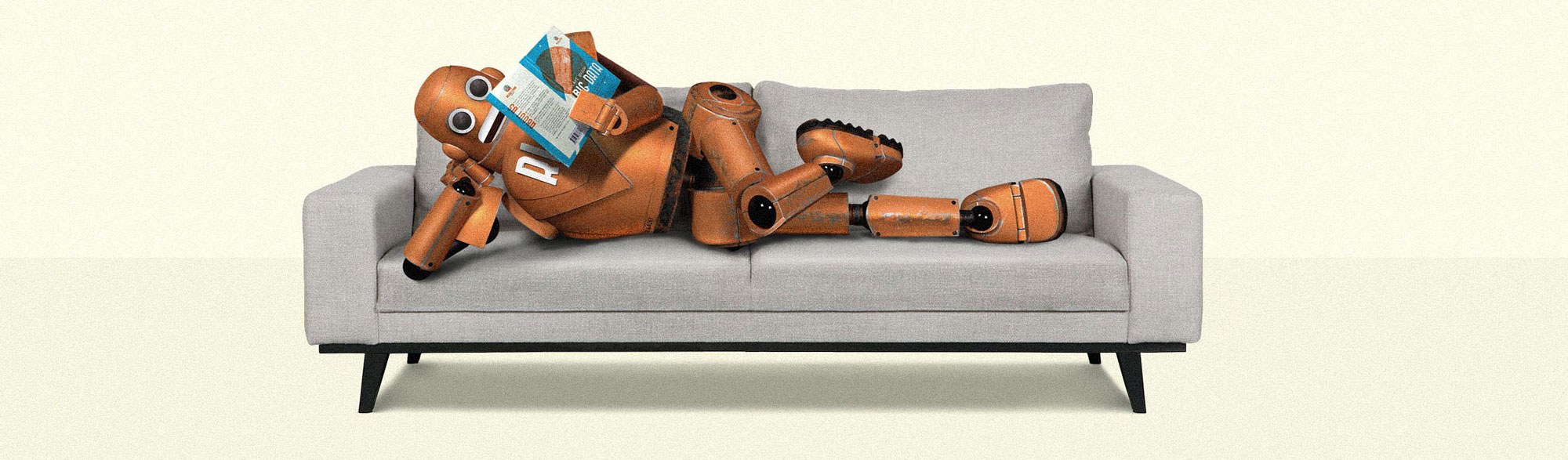
The 1950s were a period of pleasant excitement and fear. Scientists spectacularly test atomic bombs. They open thematic institutions and hold contests every Saturday. Atomic and not-so-beautiful women compete in the “Miss Atomic Bomb” contest. Later, the era will be called the Atomic Age. Dreams of future technologies include robots as our friends that force Mickey Mouse to move into a smart house, where house cooks by itself, keeps clean, and gives massages before bed.
Today, in 2023, the intense ideas of the 50s are not so intense. We listen to them and smile condescendingly, as if impressed by yet another discovery, like a younger brother would. The romantic notion of technology has gone, the advent of self-driving cars, and video calls in every smartphone.
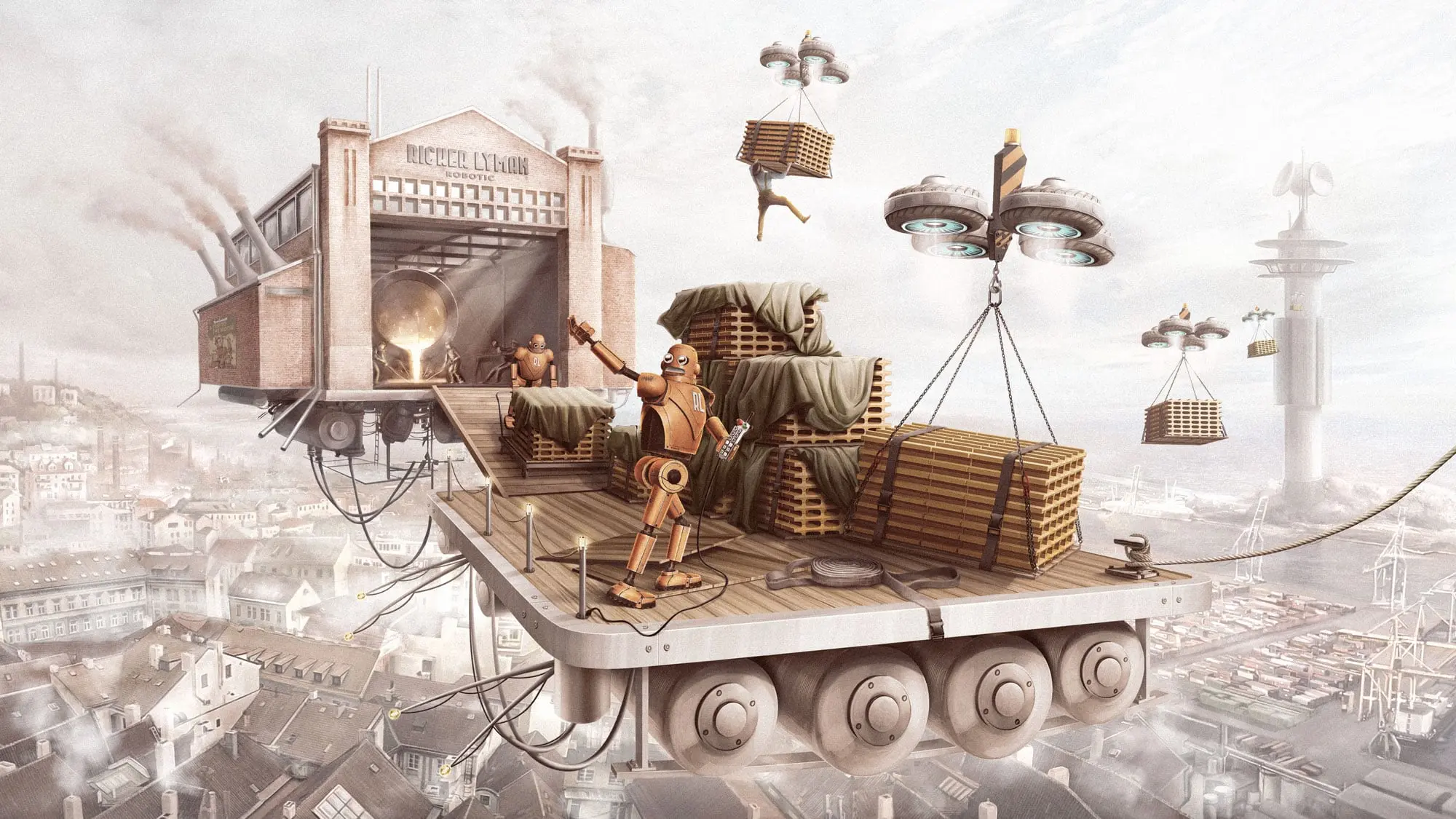
Imagine for a moment the owner of Ricker Lyman, an international company dealing with Big Data, streaming microservices, and blockchain technologies. Yet, they still remember dreams of a robot-friend. He is still in love with technology and is an old-school IT engineer. It is not surprising that the products of the Ricker Lyman company have a history and philosophy. The request for the site and corporate style was a challenge: to combine modern technologies with the style of the Atomic Age of the 1950s. Since the field of IT has its own established style and established approach, it was a real test of imagination to transfer the technologies of the future to the past. The main task is to imagine what the past would have been like if innovation had been given a chance back then.
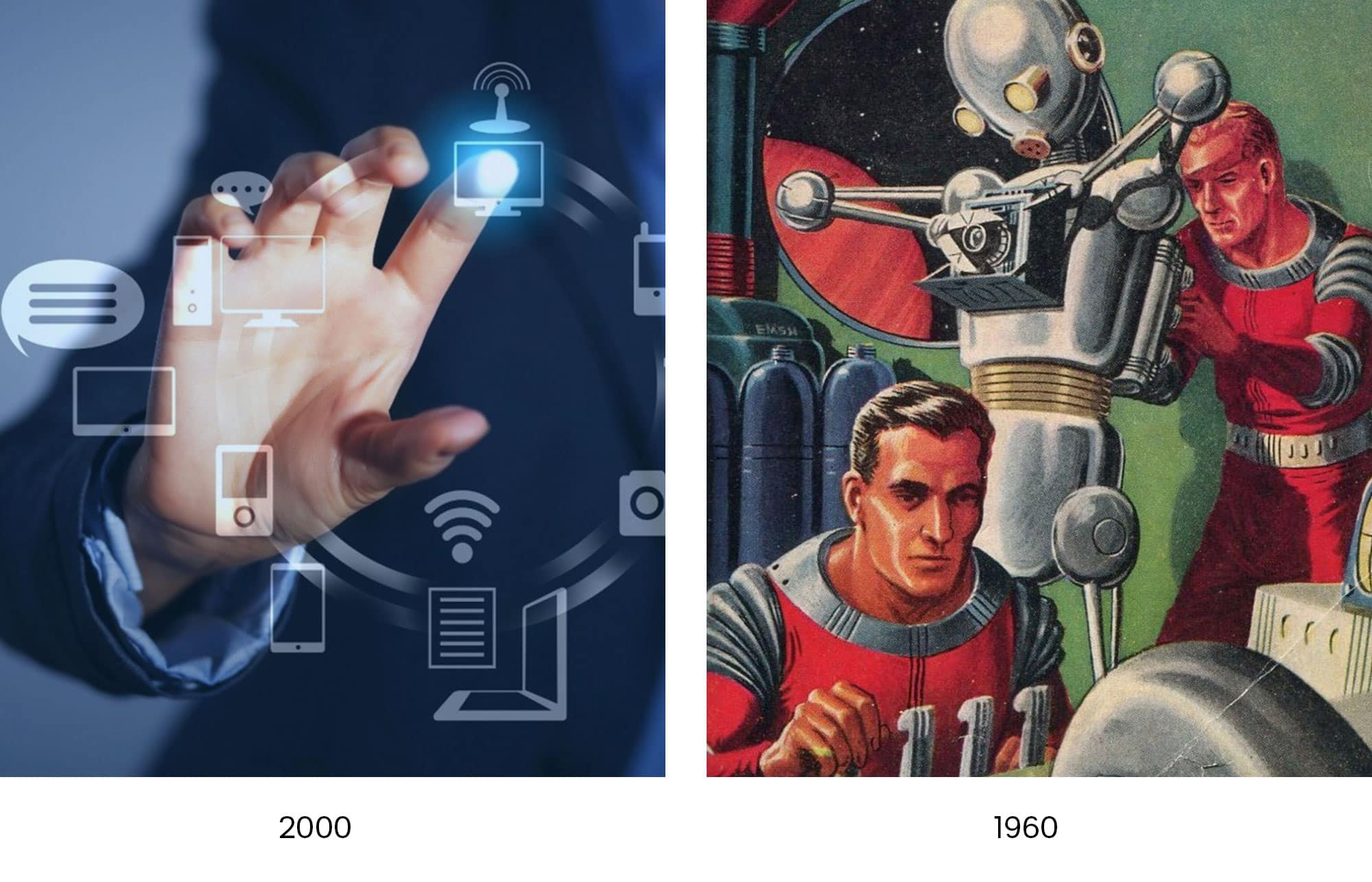
At first, we doubted whether it was worth taking such a risk as to completely depart from the usual associations. The client wants an identity and a website in the style of the 50s, and we want bold new ideas. The black swan theory posits that “normal” holds little interest; instead, it’s the unexpected that drives change in the world. Therefore, we had to look for a way to mix the technologies of the future with the style of the past in such a way that it was logical and cool.
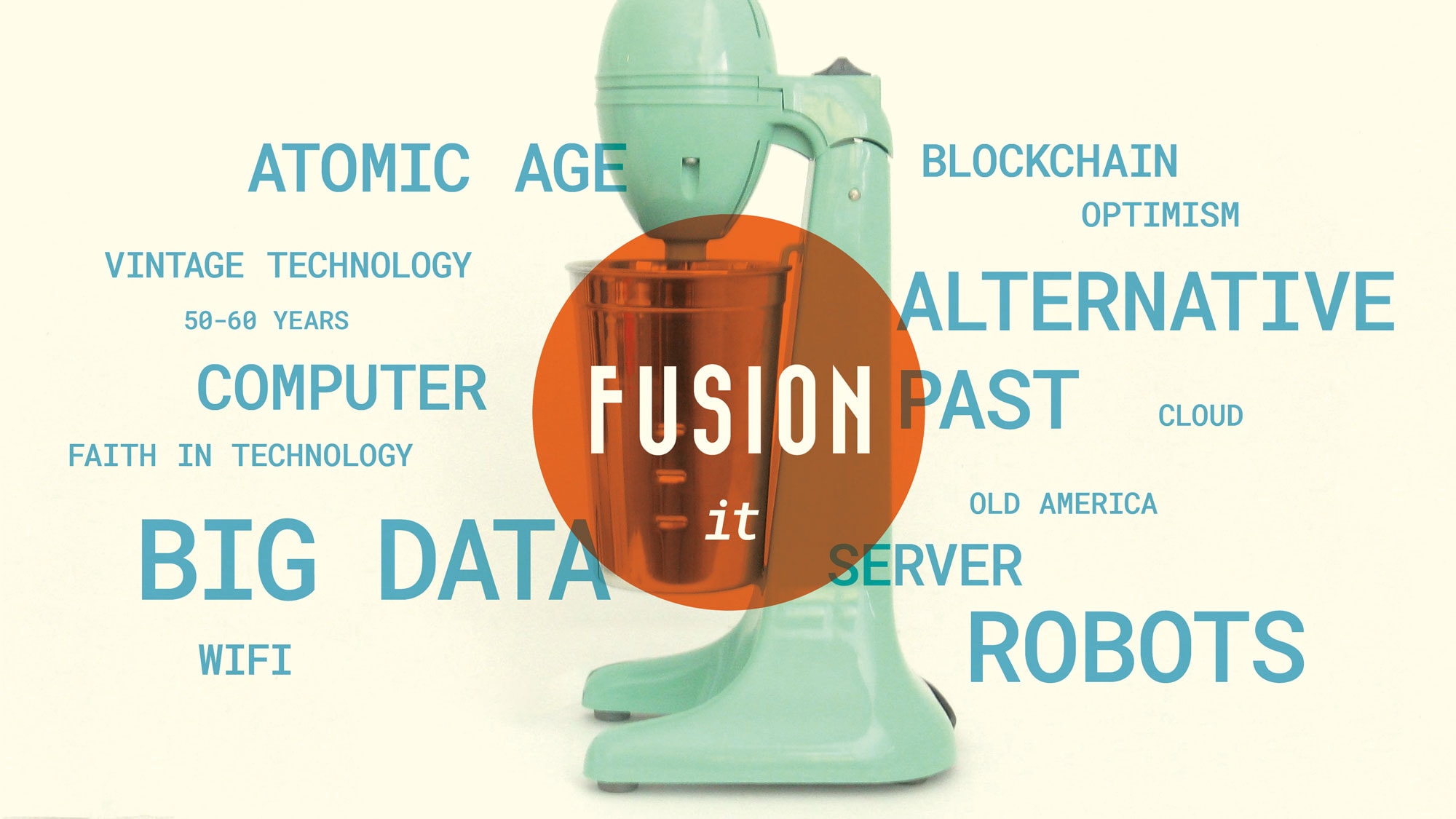
So, maybe we will combine tumblers, incandescent lamps, and tin robots with wireless technologies, microprocessors, and artificial intelligence. Let’s add a little vintage and humor? Turn on David Bowie – Space Oddity and keep reading!
What if certain ideas had been implemented earlier?
Aldous Huxley wrote in the dystopia “Brave New World” that civilization is sterilization. Indeed, a culture focused on functionality and practical application rejects anything it does not believe in.
Contemplate the consequences of accelerating the implementation of certain developments. A lot of cool innovations that are just starting to develop today were invented in the last century, but then they were left for later or simply not understood. For example, people developed the first electric cars in the 1940s (before the internal combustion engine), but then they never became a mass phenomenon.
Let’s combine the style of the Atomic Age with real technologies and start massively using Big Data, blockchain, and video communication back then – in the 50s?
Creating an alternative past, like an alternative reality in general, involves three important points.
- Digging into the past to tell about the future.
The scale of imagination and the flow of people’s thoughts in the 50s is “slightly” different from today’s, so we also had to imagine an alternative world from the perspective of a futurist from the past when working on the project. For example, videos on the interaction of the atomic bomb and pop culture helped to immerse in the atmosphere.
- To feel what something was like to touch, taste, and smell.
You need to understand what you are talking about. Today, a young designer hardly knows what a punched card is and does not remember how to use diskettes. And accordingly, he does not imagine the practical application of things. Computers of the past were complex, bulky machines that occupied an area larger than the average residential area. They inspired fear and admiration at the same time. A comprehensive approach requires going deeper into the time that you want to change. That is why all the elements had to be studied to understand how the engineers of the last century thought.
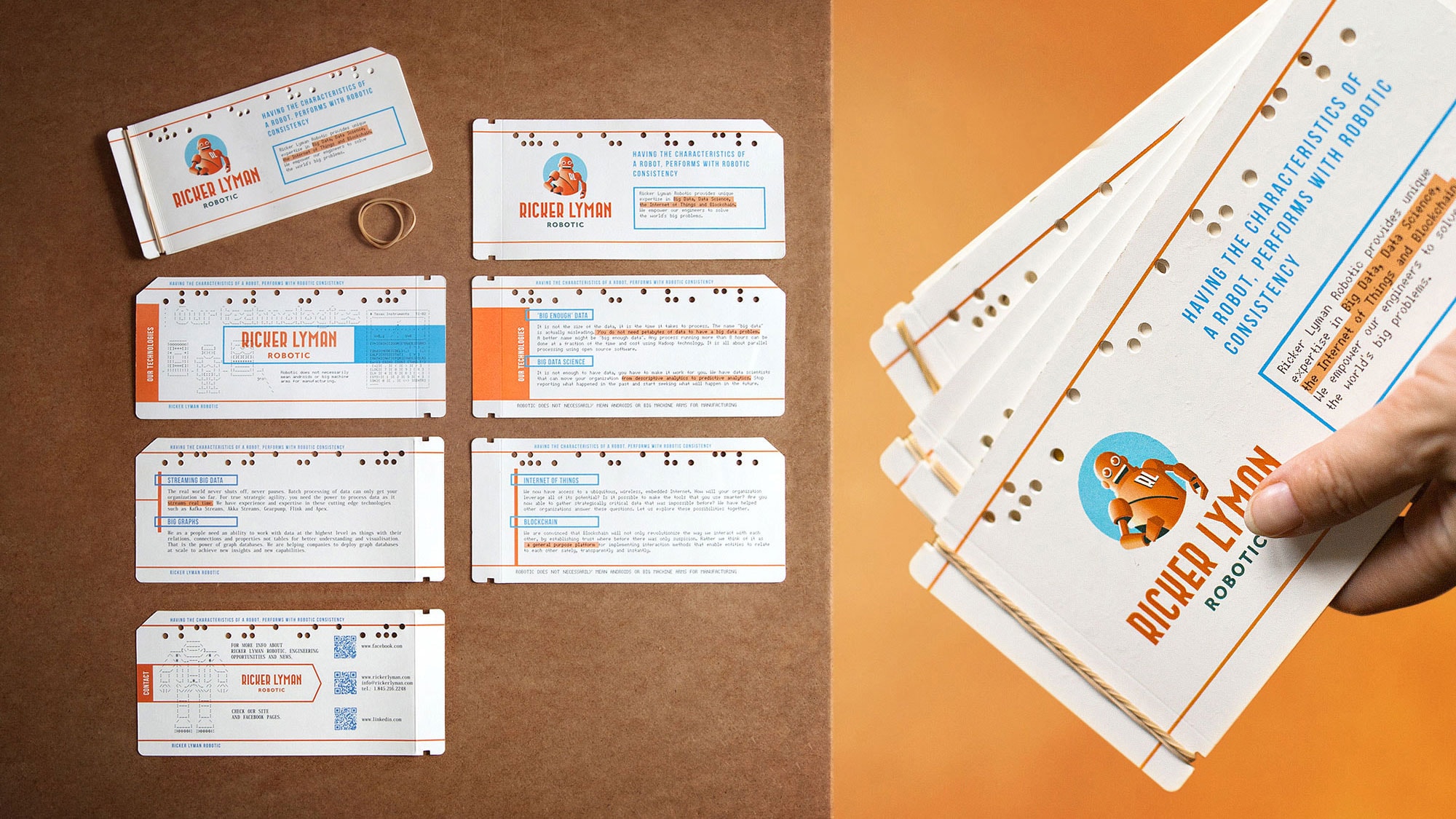
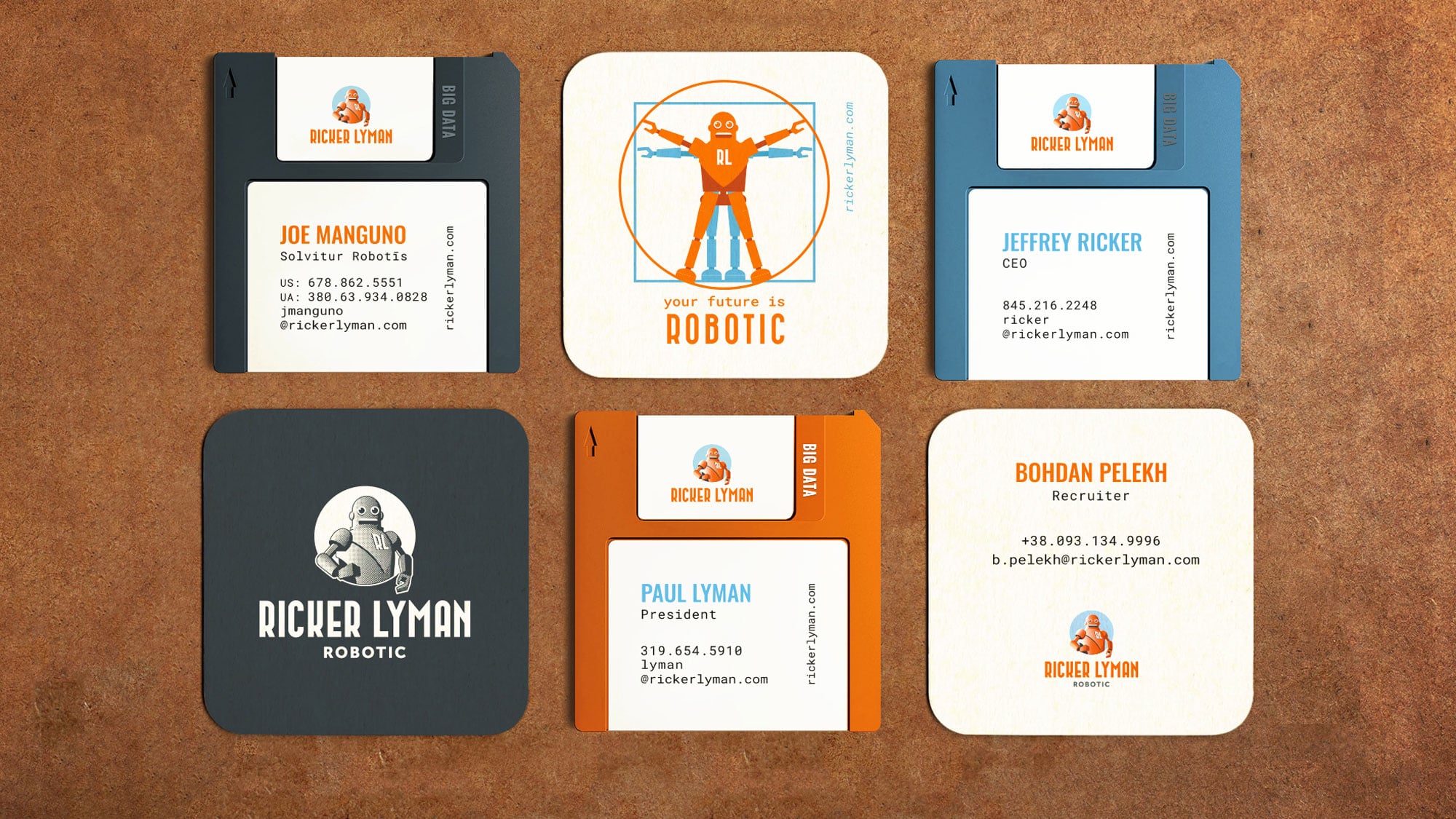
Ricker Lyman’s information booklets in the form of punched cards and diskette business cards unobtrusively evoke associations with retro culture and convey the atmosphere of “old” America.
- The viewer must believe in what he sees.
Now we have many options for alternative realities and even more predictions for the future. NLP technology has the 80/20 principle proposed by Richard Koch: if a person is given five statements, one of which is false, he will believe in all five. If the depicted actual reality is altered only in detail, it is believable.
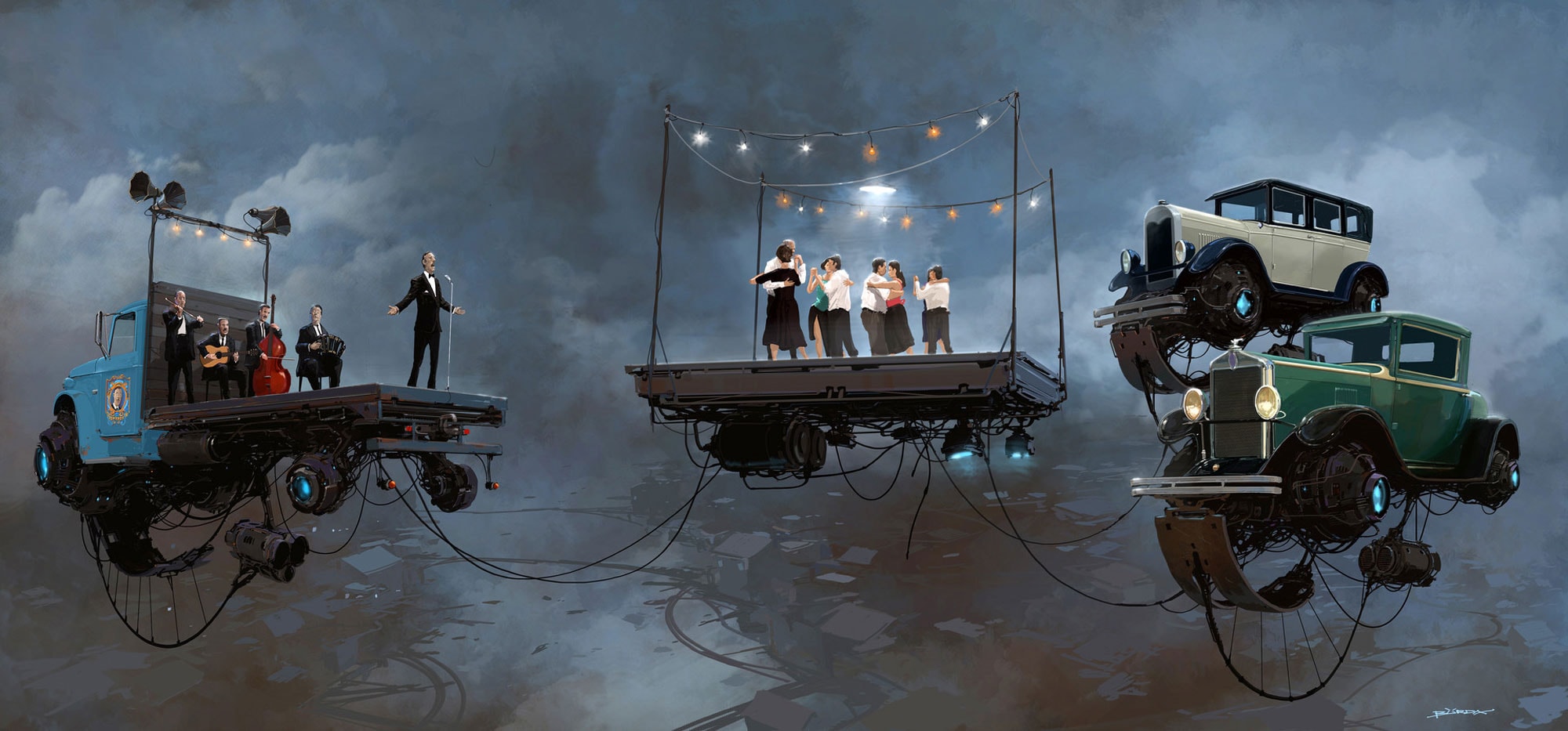
The works of the Argentinian artist Alejandro Burdisio, which inspired us during the work, work exactly like this: in his world, everything remains as it was, and only transport flies.
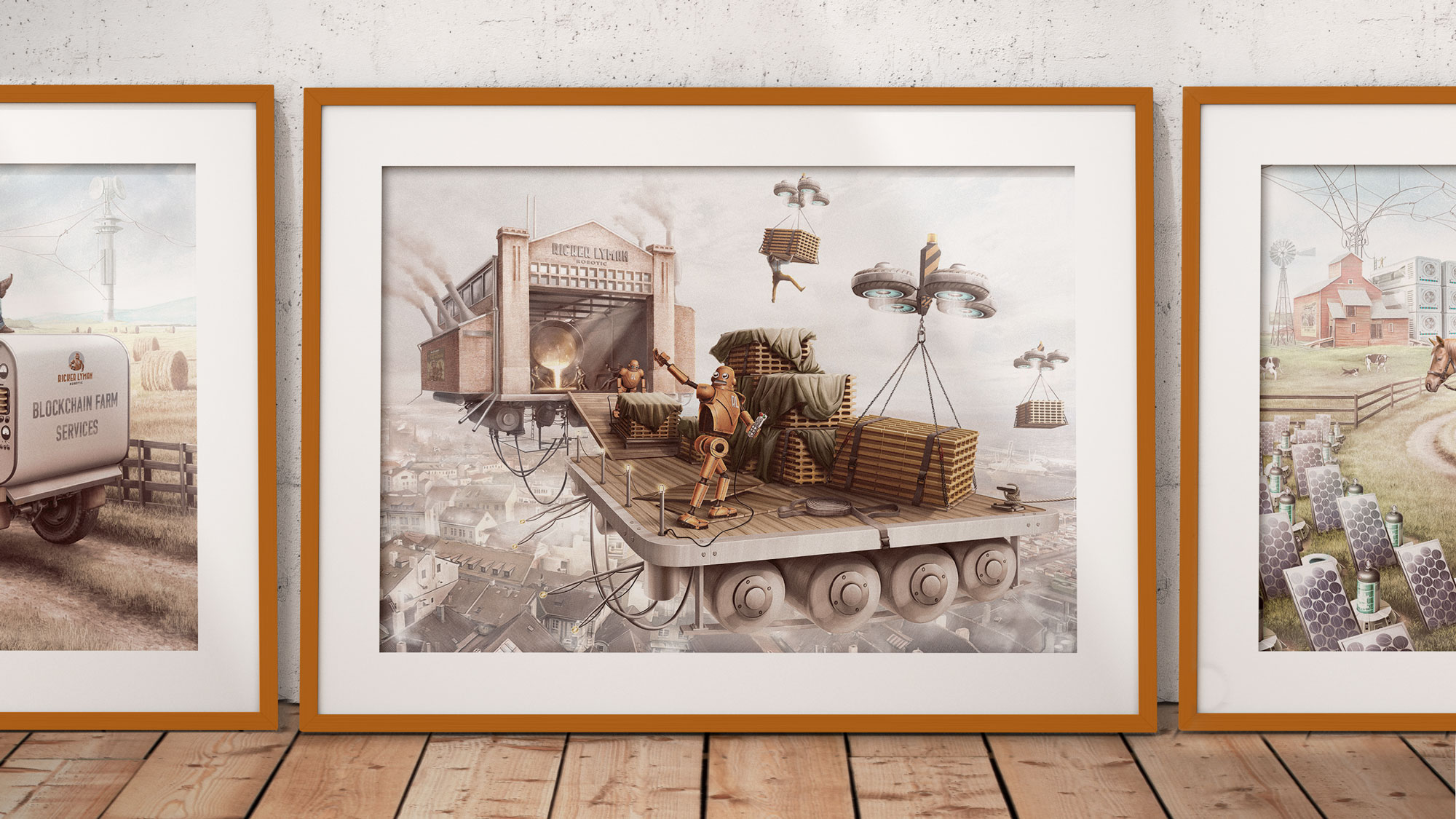
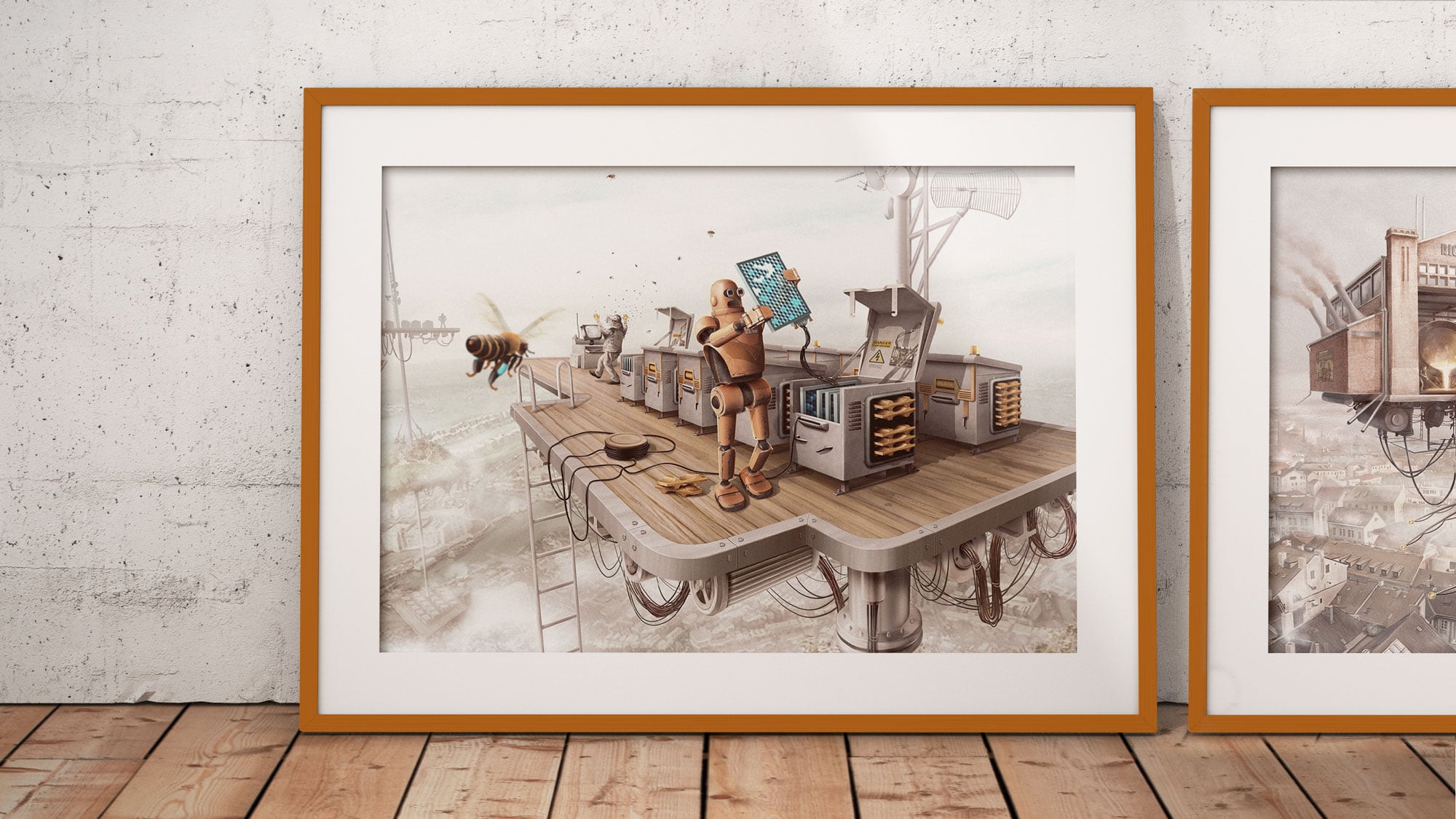
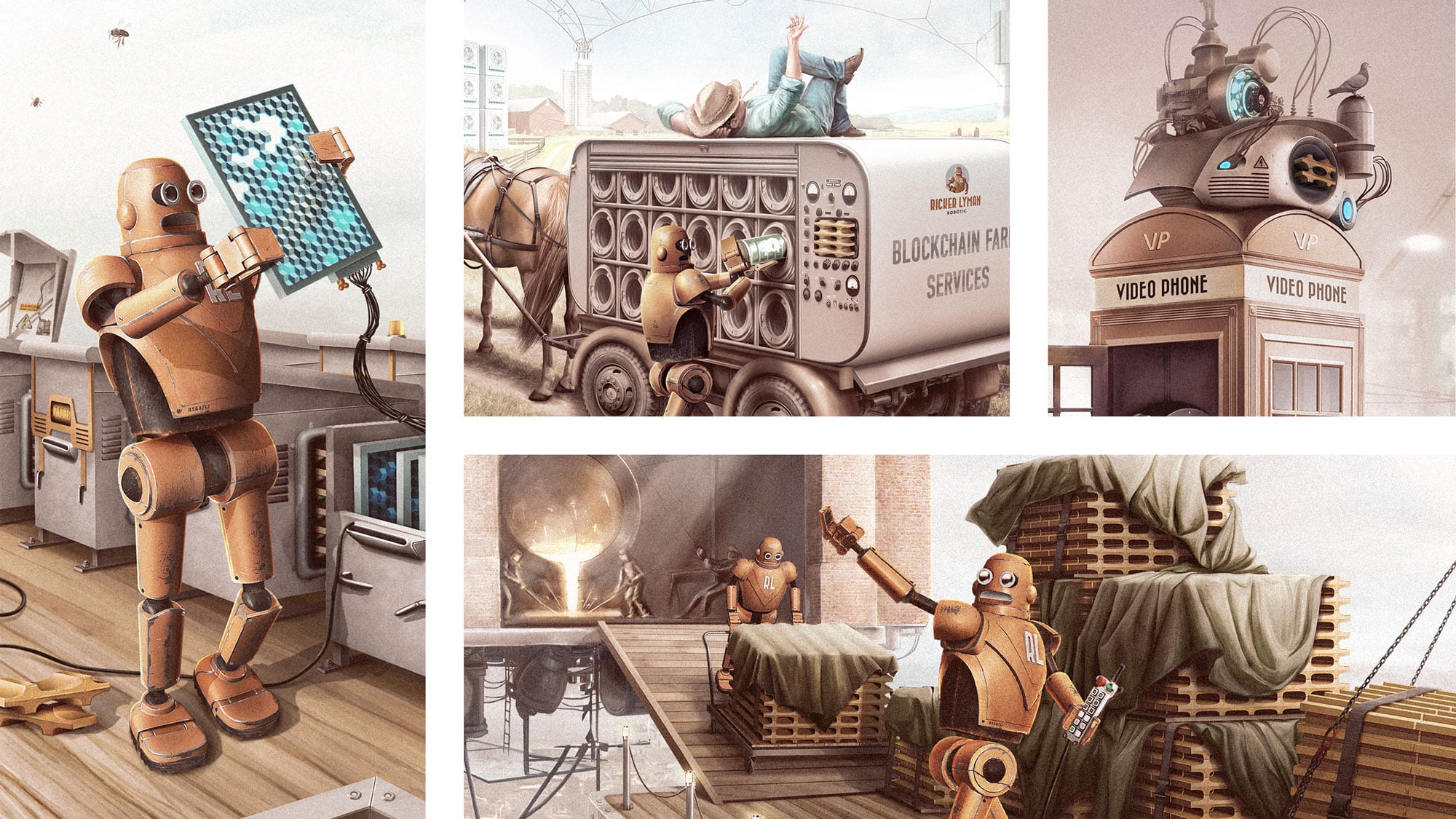
According to this principle, we have real foundries that melt portable servers (a real product of Ricker Lyman). A Big Data is depicted as an apiary, where swarms of Wi-Fi bees constantly bring “information”.
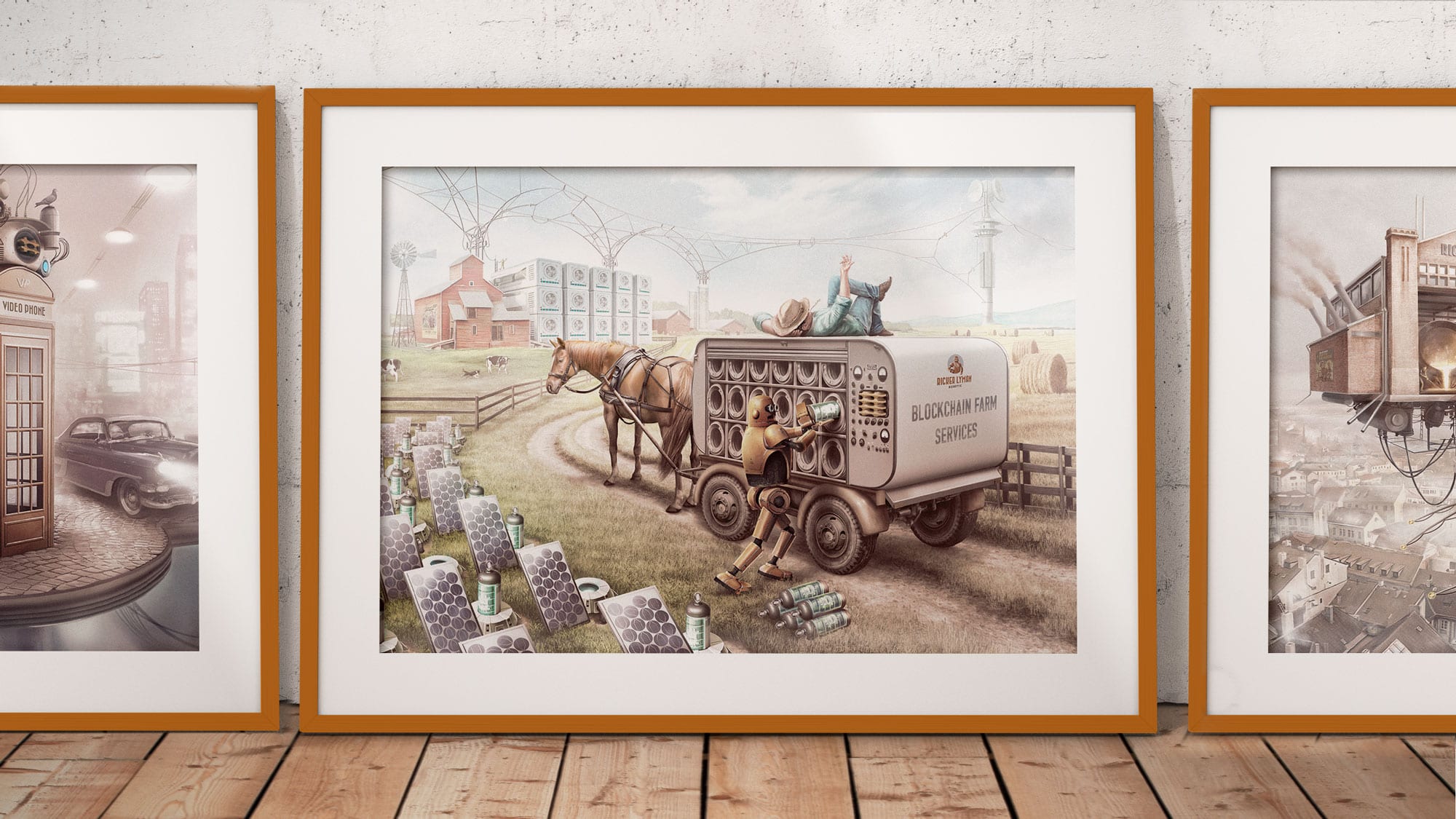
There is also a blockchain farm with a fir tree, a horse, stacks of hay, and an old windmill. The robot-friend handles all the work, allowing the farmer to relax and savor the warmth of the August day.
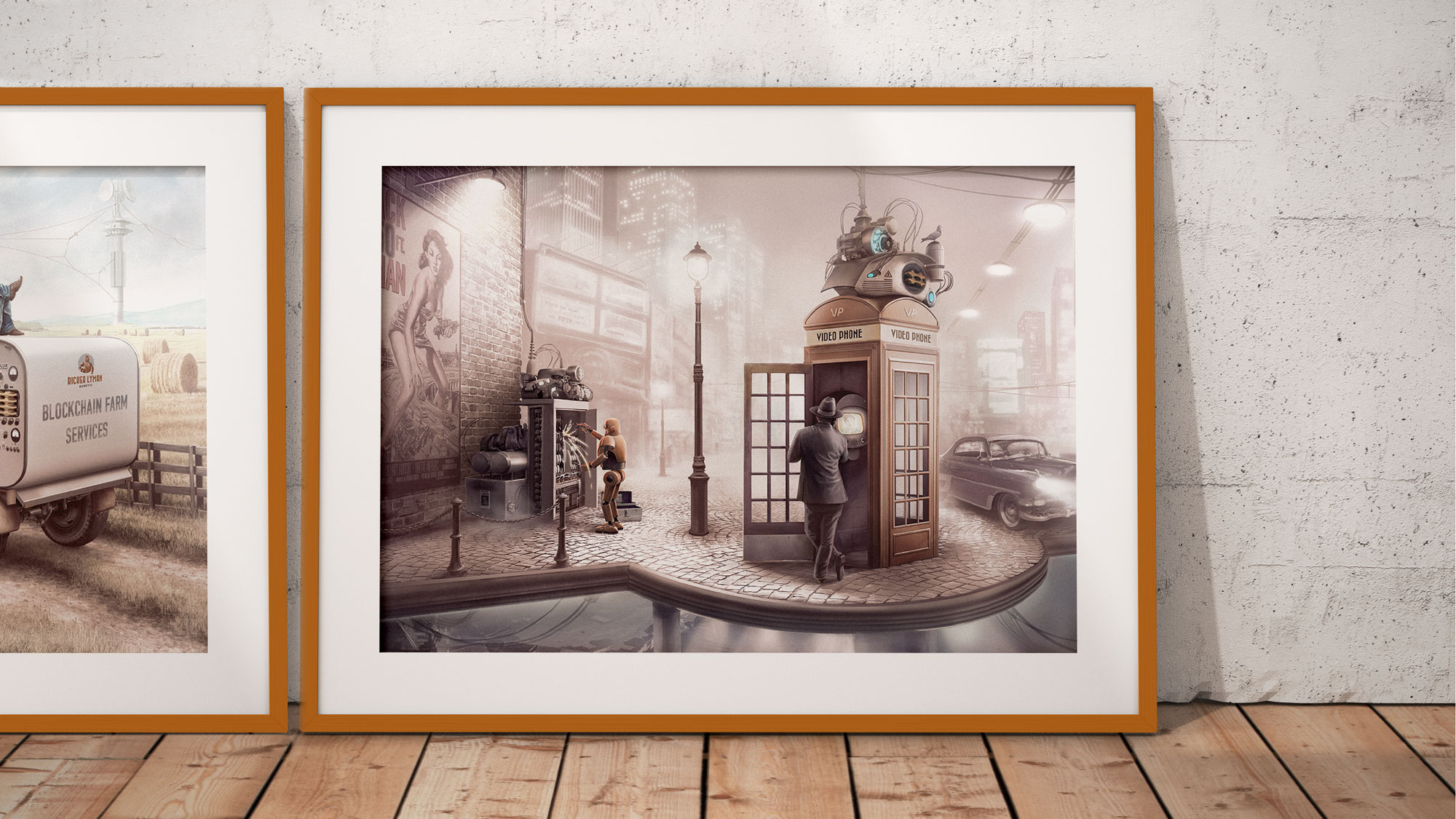
A phone booth with video communication is a separate and very romantic story altogether. We have a real world with a mysterious stranger and an ordinary phone booth in the middle of an evening. But wait, what is the robot doing in the background, why is there a screen in the booth? There are many possible answers. The poster used on the left is a real one from the 50s. It conveys the atmosphere and the public mood.
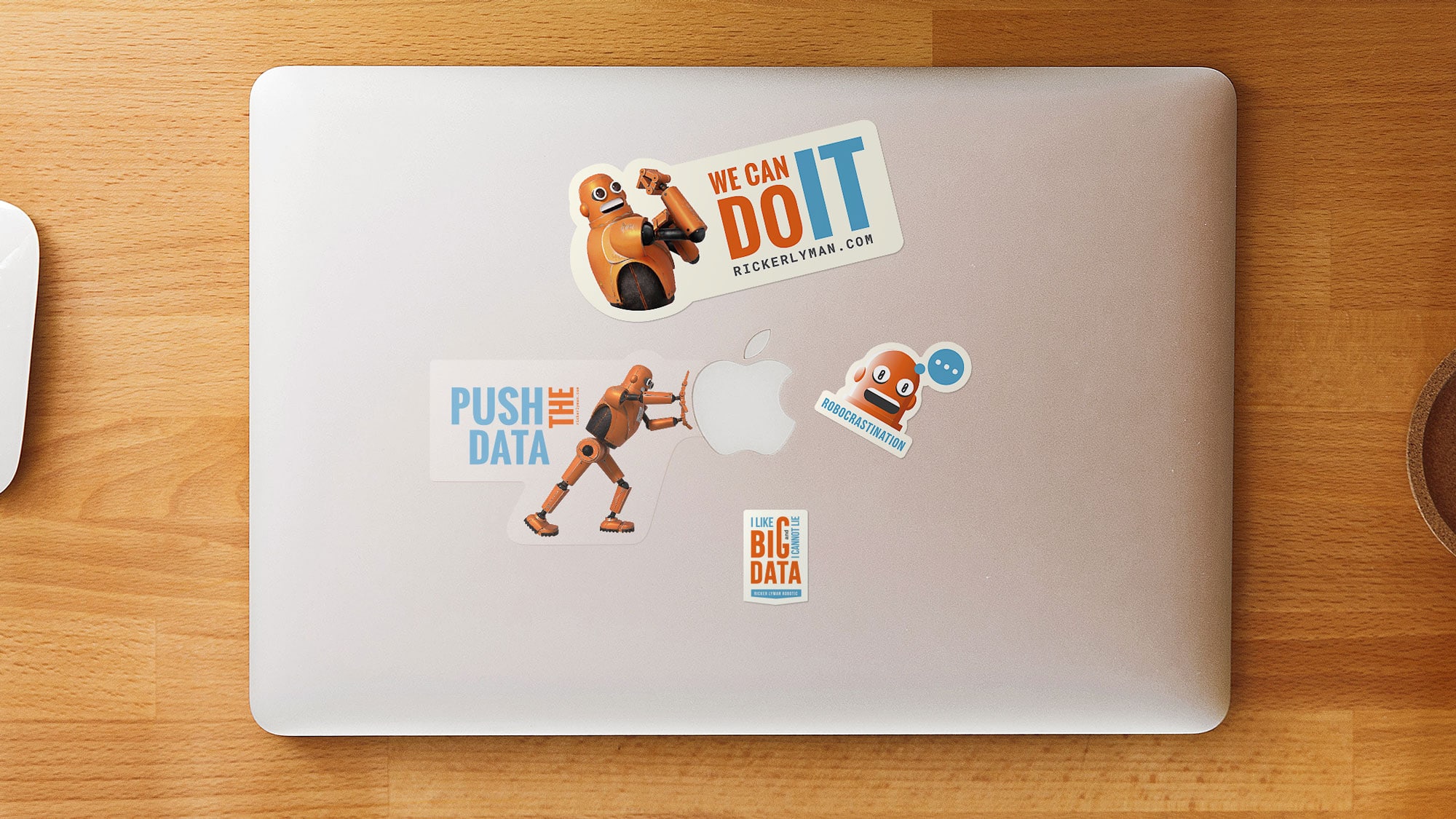
The further, the more interesting. The trust of the customer gave space for new ideas. Thus appeared the robot that dances on the pages of the manual and stickers on the computer as a reminder that nothing is impossible.
Although the Atomic Age often turned into gloomy depressive waves. This era still has a cool nostalgic mood and a unique atmosphere. Going beyond design concepts familiar to the IT industry is the first step to standing out from the crowd. If in the 70s we see disillusionment with technology, and the 80s take any innovation for granted, then it is the 50s that proclaim that we can do anything. Drawing inspiration from futurologists, it’s valuable to take action in the present, as the future is already upon us.
At the 2018 ADC*UA competition, the project for Ricker Lyman Robotics won gold in Illustration and Photography, silver in the Interactive & Mobile – Websites category, shortlist for Corporate Brand Identity, and Kakadu bronze in Digital.