07 Jan 2026
Some projects are not simple; they change you. When the Dzherelo social services center approached us as part of a UNICEF project, we felt that this would be one such case. It’s not about promotion or results, but about life, acceptance, and the light that appears even in the darkest moments. These touching animated videos […]
Reading time 5 min
Some projects are not simple; they change you.
When the Dzherelo social services center approached us as part of a UNICEF project, we felt that this would be one such case. It’s not about promotion or results, but about life, acceptance, and the light that appears even in the darkest moments.
These touching animated videos are designed for information campaigns on the development of social services in communities and are used in training sessions, support groups, and similar events for families with children with disabilities. Their mission is to clarify “how it is” when you are not like everyone else, and that “there is a way” to unconditional love and acceptance.
The main challenge was to understand how and what to say, as well as how to convey it visually. We were looking not only for the right words, but also for the right feelings, because in order to really touch people, you have to listen to them and feel their pain.
We sought to find a universal visual language that would be understood by parents, children, and society at the same time.
Three stories, three levels of acceptance
We created three videos, each of which reveals a different facet of this topic.
1. A child’s perspective: the need for love from birth
The first is from the perspective of a child from the first minutes of its birth.
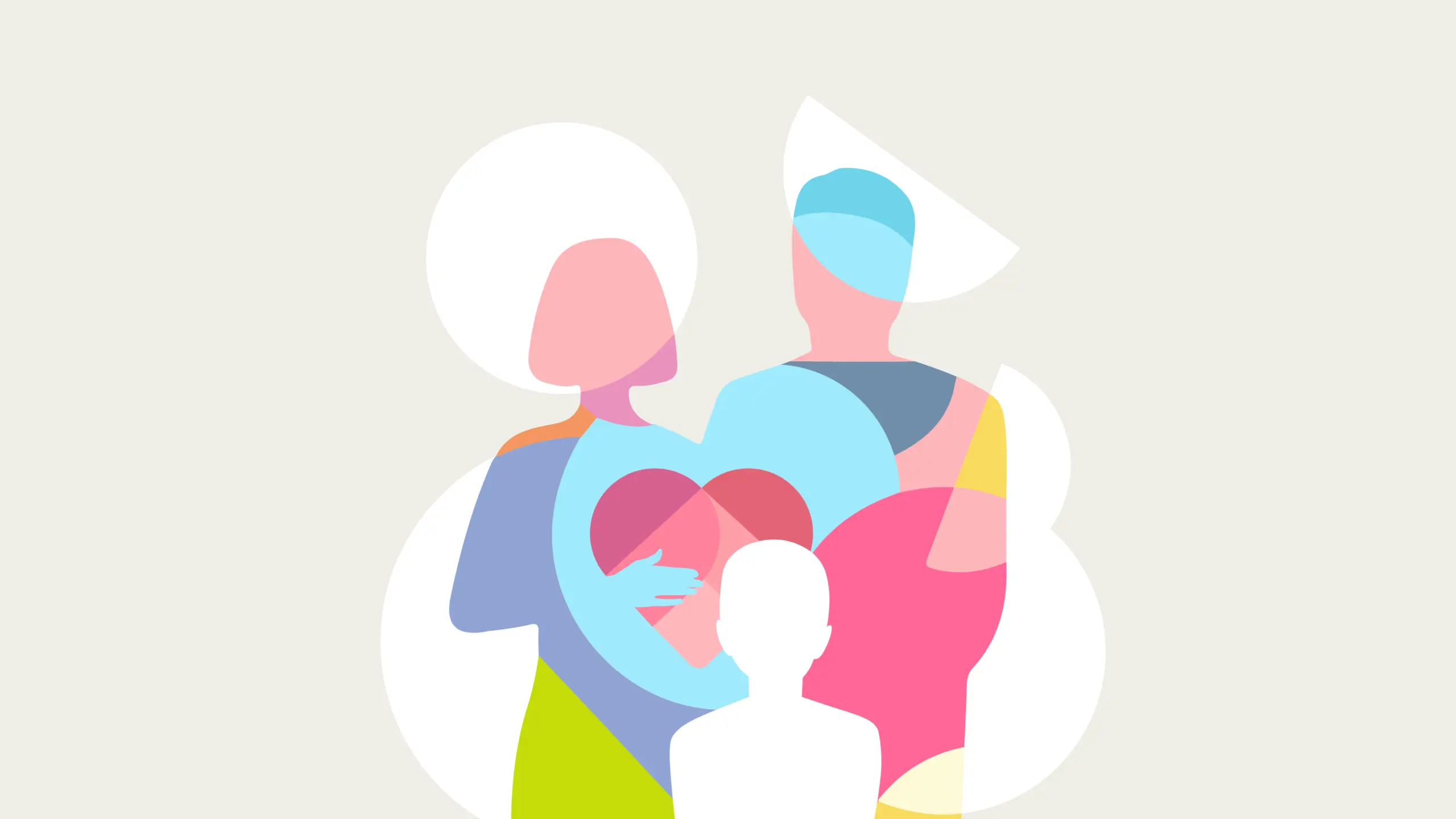
Not a diagnosis, not the parents’ story, but the child itself, which needs love, tenderness, hugs, space to be itself — simply because it exists.
We show that at first, the world may seem cold and hostile, but the warm presence of a mother or father, their touch, smile, and gaze make it safe and full of life.
This video is about every child’s most fundamental right: to be accepted for who they are.
It shows that love is not a cure, but an environment in which a child grows, flourishes, and becomes themselves.
We worked together with the people of Dzherelo, who shared their own stories. Their words became the basis of the video and a real source of faith in a better life.
2. Mom’s reality: from diagnosis to hope
The second video is a source of support for those who have embarked on this path. For parents. For moms and dads who are going through the difficult process of accepting and coming to terms with a new reality. It is about the moment when, after fear, pain, and helplessness, a ray of warmth suddenly appears — a child’s smile.
The journey of a family with a child with a disability can be normal if there is support nearby.
There is no need to isolate, to “treat for life,” but rather to create conditions so that the child can live, learn, make friends, and have experiences and impressions. Because an inclusive environment changes everyone: children, parents, and the community.
This video is about openness, about overcoming the fear of “otherness.” It’s about how every child has the right to be part of a world that accepts them. And parents will eventually find a way to have a decent life and the right to happiness.
3. Community: stronger together
The third video is about parents coming together to change the reality around them.
One family, then another, then a third — and a community is born, where there is mutual support, where new services appear, and where everyone’s voice is heard.
This is a story about the “voice of parents,” about how personal experience becomes an impetus for systemic change.
We wanted the viewer to feel that they are not alone and that they can be part of these changes.
All three animations convey the message that we must unite and that we must be prepared to change our environment, to create a space where the light of unconditional love can flourish.
Emotions through form
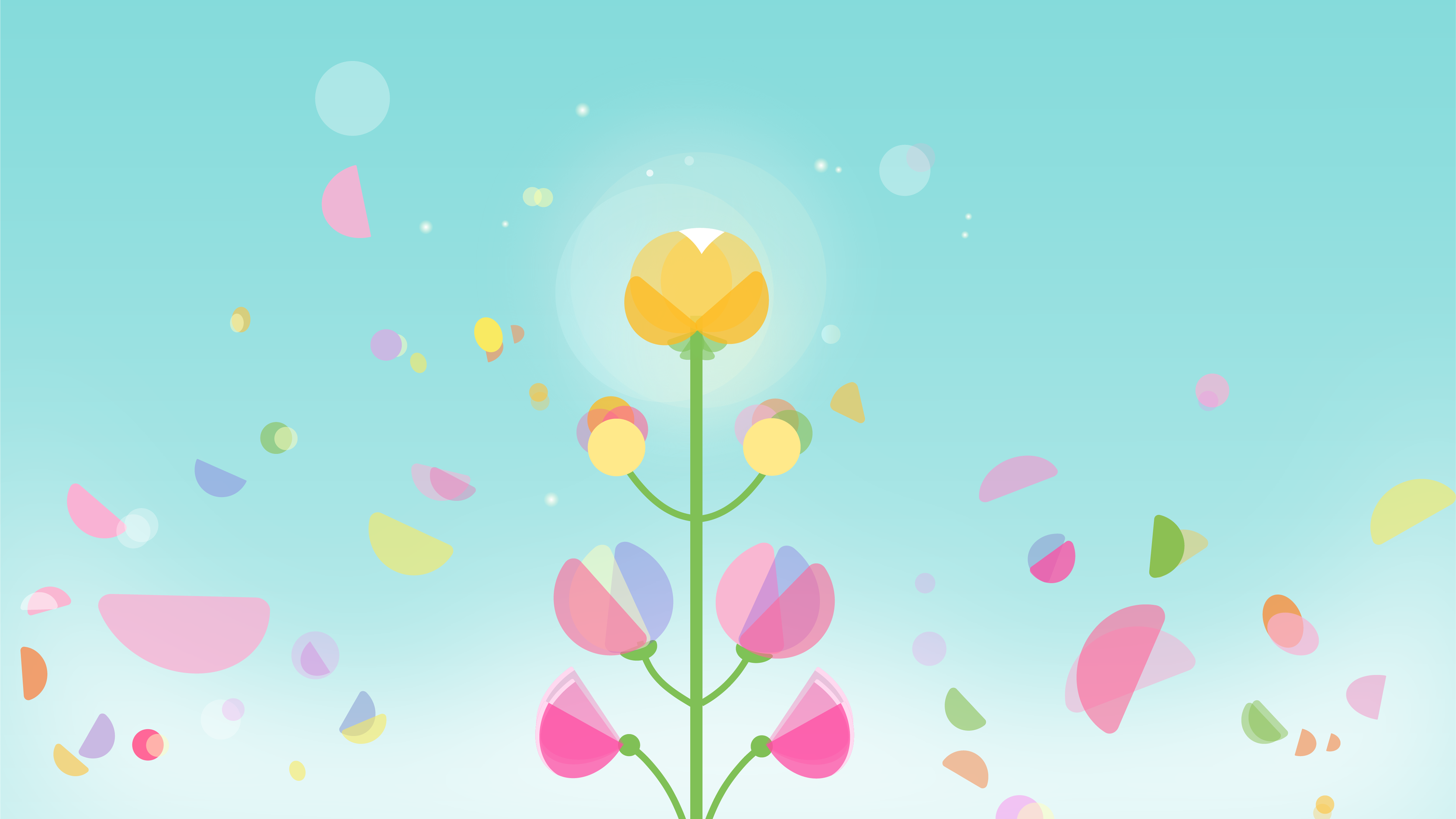
At the heart of all the videos is the metaphor of form.
- Sharp shapes represent fear, anxiety, and the unknown, which is where the parents’ journey begins.
- Soft, rounded lines symbolize acceptance, love, and healing.
- Their smooth overlapping creates new shades and new shapes.
In each video, these shapes interact, intertwine, overlap, or absorb each other. This is a metaphor for how people change through contact with each other: a child changes their parents, parents change the community, and the community changes reality itself.
At the heart of all the videos is the main symbol — a blossoming flower reaching for the sun. It represents the child, the community, and life itself.
The color in the frame is never static; it moves, breathes, and changes.
Dark shades gradually lighten, as if the sun is entering the room. This transition is the so-called visual language of hope, the process of moving from hardship and despair to light and unconditional love.
In summary:
When you take on a project with inspiration, as an opportunity to say something truly important. When you delve into and live through stories, you filter them through your emotions. In the end, you get a visually and semantically honest conversation about what is really worth talking about and what needs to be demonstrated. Because it is very timely.