02 Oct 2026
In 2018, British company System1 Group conducted a study that revealed an interesting pattern: advertising featuring a mascot generates around 30% more profit for brands than campaigns without them. And it is not just because these characters are cute. Although, let’s be honest, that certainly helps too. A mascot helps a brand stop speaking like a company and start […]
Reading time 4 min
In 2018, British company System1 Group conducted a study that revealed an interesting pattern: advertising featuring a mascot generates around 30% more profit for brands than campaigns without them. And it is not just because these characters are cute. Although, let’s be honest, that certainly helps too.
A mascot helps a brand stop speaking like a company and start speaking like… someone real.
People do not buy products alone. They buy emotion, trust, personality, and the sense that there is someone on the other side of the logo. That is why characters have remained one of the most powerful branding tools for decades.

Why do mascots work?
Our brains love characters. Characters evoke emotions, and emotions make things more memorable.
This matters especially in markets where products are almost indistinguishable from one another. When everything starts to look alike, the brand that wins is the one people feel drawn to.
A mascot can also help brands:
- explain complex products in a more human, accessible way;
- make communication feel less formal;
- create content for social media, advertising, and packaging;
- build a recognizable brand style.
In essence, a mascot becomes a fully-fledged communicator with a personality of its own.

Where do mascots work best?
Brand identity
The most effective characters do not exist separately from the brand. They become part of its visual system, where colour, style, logo, and mascot work together as one whole.
Advertising and packaging
On packaging, a character draws attention and helps communicate the product’s benefits quickly. In advertising, it becomes a storyteller that sells through emotion.
Social media
Mascots can react to current events, joke, join trends, engage in conversations with the audience, use light self-irony, and even tease competitors a little—of course, only when it fits the brand’s character.
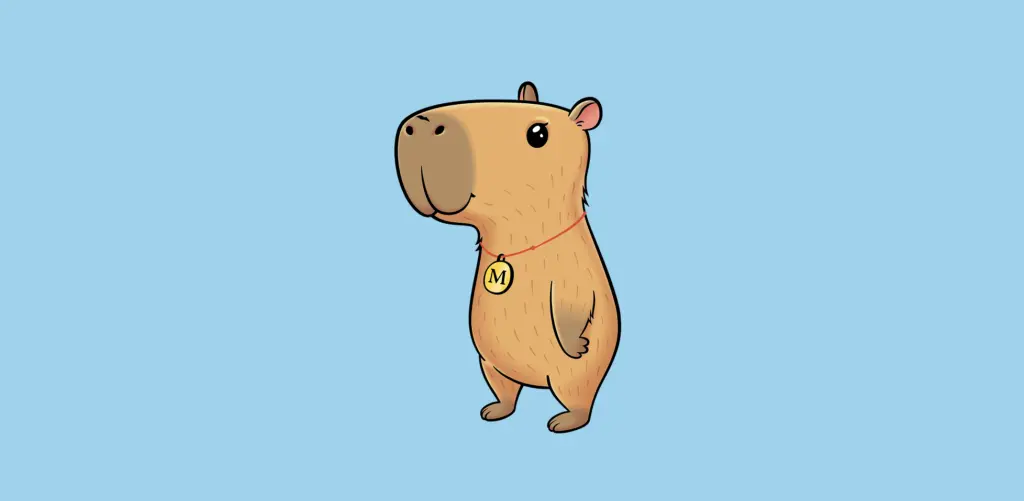
Mascots by Bambuk Studio
Spark for Think Silicon
Spark is a tiny firefly with a big personality, inspired by the iconic Golden Snitch.
Its wings resemble silicon wafers, while its character comes to life through animation, emotion, and even its own story. Spark flits around the office, works at full power, and represents the entire ecosystem of the company’s products.

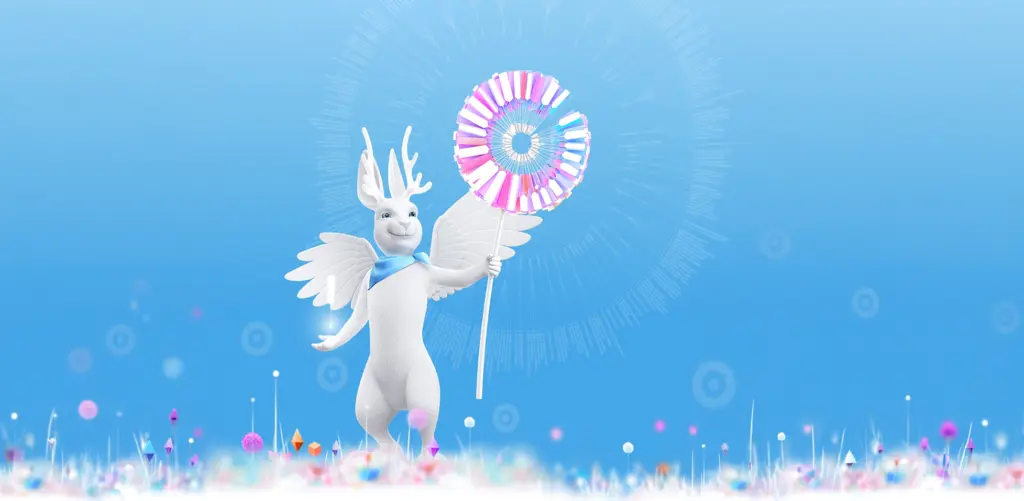
Wolpertinger for dab.
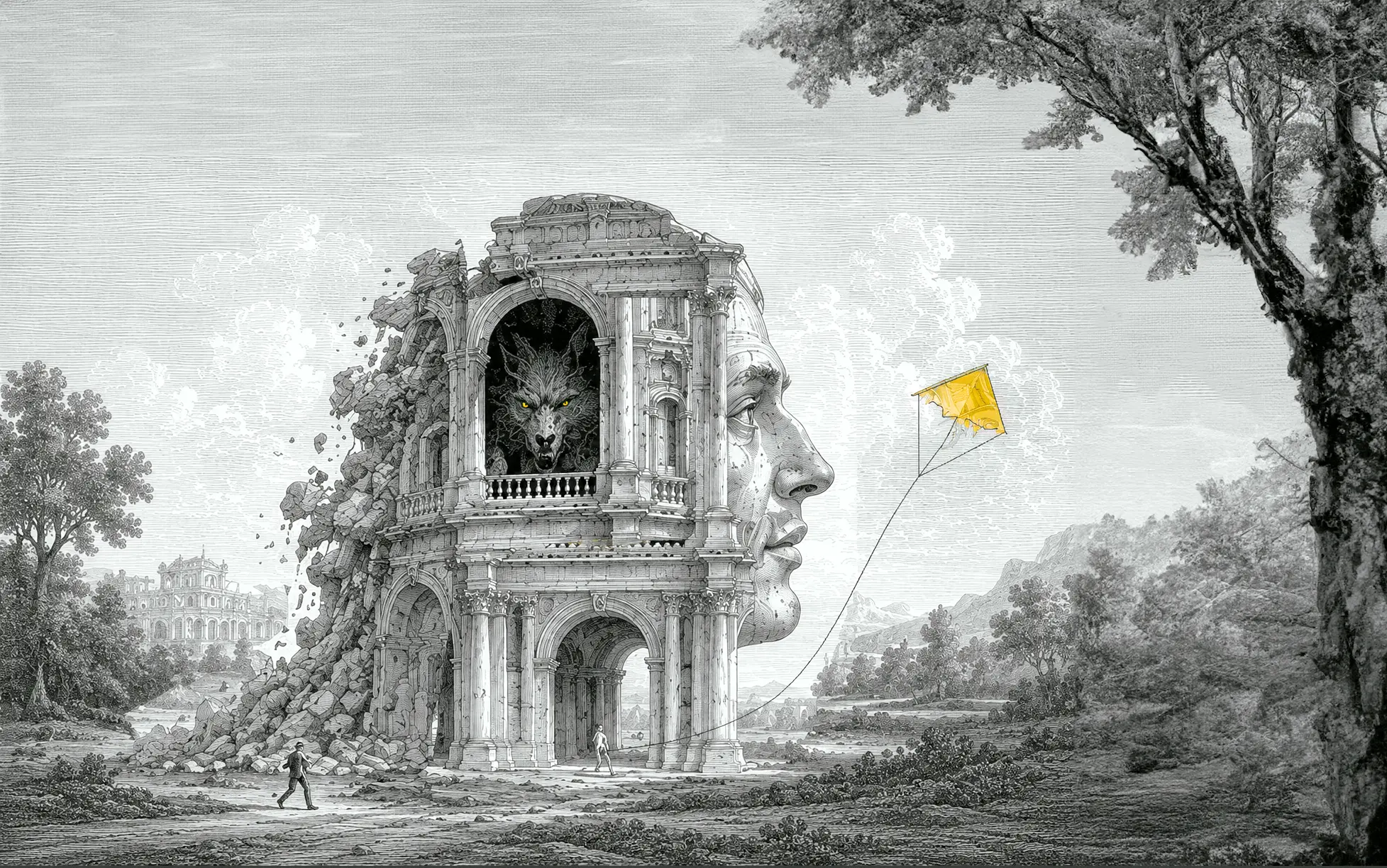
For analytics company dab., we turned to the Bavarian legend of the Wolpertinger – a mythical creature that combines features of several animals.
This image became the perfect metaphor for custom analytics solutions. The hare represents speed and intelligence; the antlers, wings, and other details highlight the product’s flexibility; while the dandelion in its paw is a reminder that even complex analytics can be made simple and structured.
Scotty for Ambiq
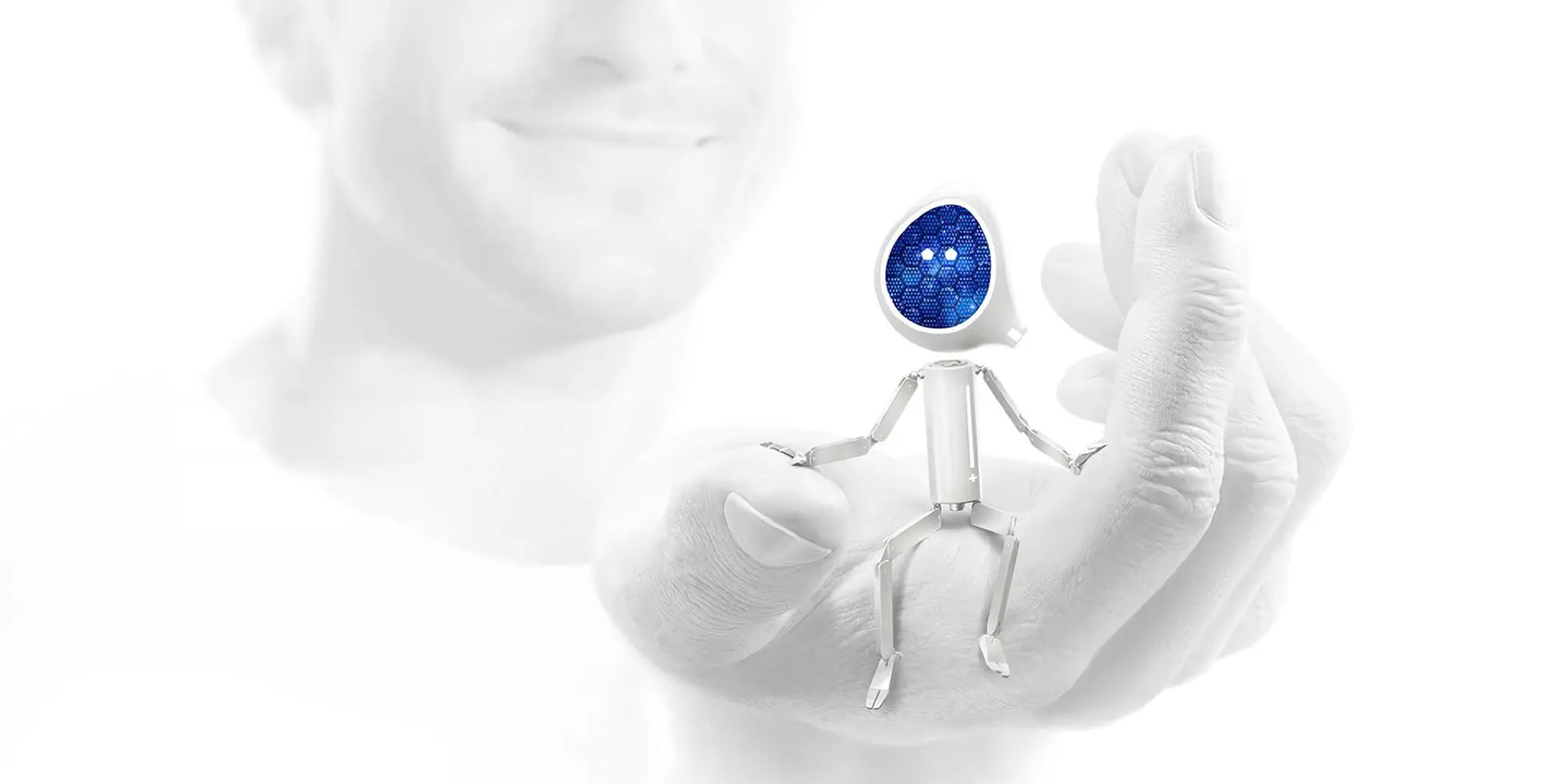
For Ambiq, we created Scotty: a battery-shaped robot representing the company’s ultra-low-power semiconductor technology. In another incarnation, Scotty became a butterfly—a symbol of technological transformation and evolution.
Creating the butterfly required us to develop around 400 visual concepts, while every individual scale on its wings was assembled by hand. The wings themselves are made up of hundreds of smart devices powered by Ambiq’s chips. Over time, Scotty became part of the company’s exhibition space, website, and corporate communications.
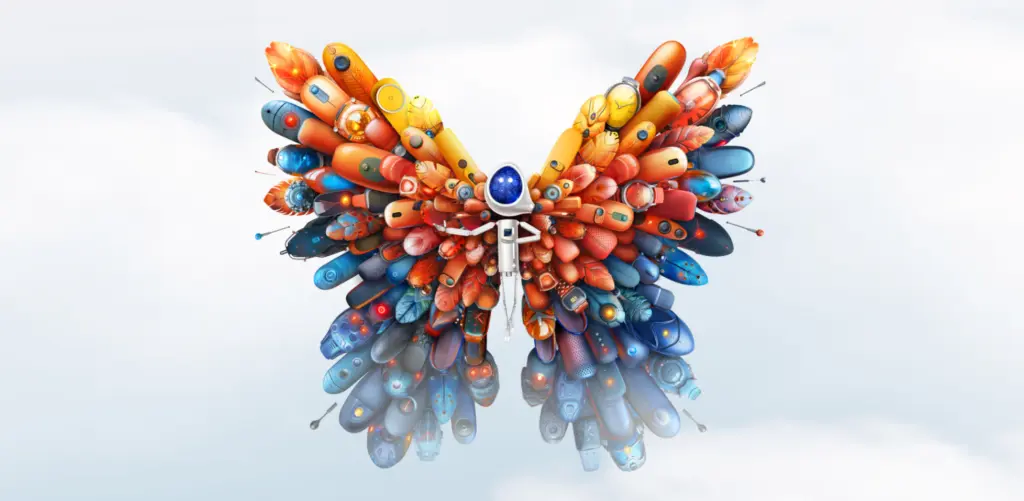
Transformation is something we work with often. In fact, every rebrand is a form of transformation. And very often, it is exactly at the moment when a company outgrows its previous identity that a character is born—one that does not just help bring the transformation to life, but continues to grow and evolve with the company until its next chapter.
Conclusion
A mascot is not just a charming character. A good mascot does not exist separately from the brand – it becomes its personality, its voice, and the hero people recognize before they have even had time to read the logo.
If your brand is missing such a hero or perhaps an entire little universe with a story of its own — the Bambuk team would be delighted to help create it. Because sometimes one thoughtfully designed character can bring a brand to life more powerfully than dozens of advertising campaigns.